Key Features
- Borosilicate glass construction
- Vacuum compatible
- Clear visibility
- Various sizes available
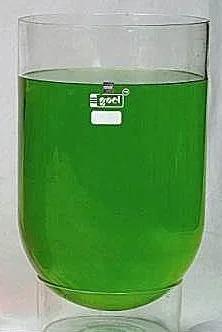
Glass bell jars for vacuum applications and laboratory demonstrations.
The Bell Jar is a transparent glass dome, usually open at the bottom, used in laboratory settings to enclose objects under vacuum or controlled atmosphere. Made from borosilicate glass, it typically sits over a base or platform and can interface with vacuum connections for low-pressure experiments. Bell jars vary in diameter and height, with ground flanges to ensure a seal with a base plate. They offer simple containment for vacuum demonstrations, atmospheric isolation, or protective covers for sensitive instrumentation.
• Material: Borosilicate glass for strength and clarity
• Diameter and height: wide range (e.g. 100 mm to 500 mm diameters or more)
• Flange: ground glass base flange for sealing to base plates
• Operating pressure: suitable for modest vacuum, not for high vacuum or high positive pressure
• Temperature tolerance: ambient to ~120–150 °C (depending on design)
• Seal method: ground flange with grease or O-ring for vacuum sealing
• Custom options: side ports, viewing windows, thicker walls to reduce stress
• Use limit: best for low stress vacuum situations; not designed for deep vacuum or high mechanical stress
• Vacuum experiments and demonstrations (e.g. sound propagation, pressure effects)
• Enclosure of sensitive specimens or instruments under inert or controlled gas atmospheres
• Protective dome over samples, sensors, or apparatus to isolate from environment
• Display or museum jar use (non-vacuum) for inert atmosphere or dust protection
• Partial vacuum chamber tasks in teaching labs and low-vac operations