Couplings

Couplings

Couplings

High-quality glass couplings for secure connections and joint assemblies.

Couplings Overview

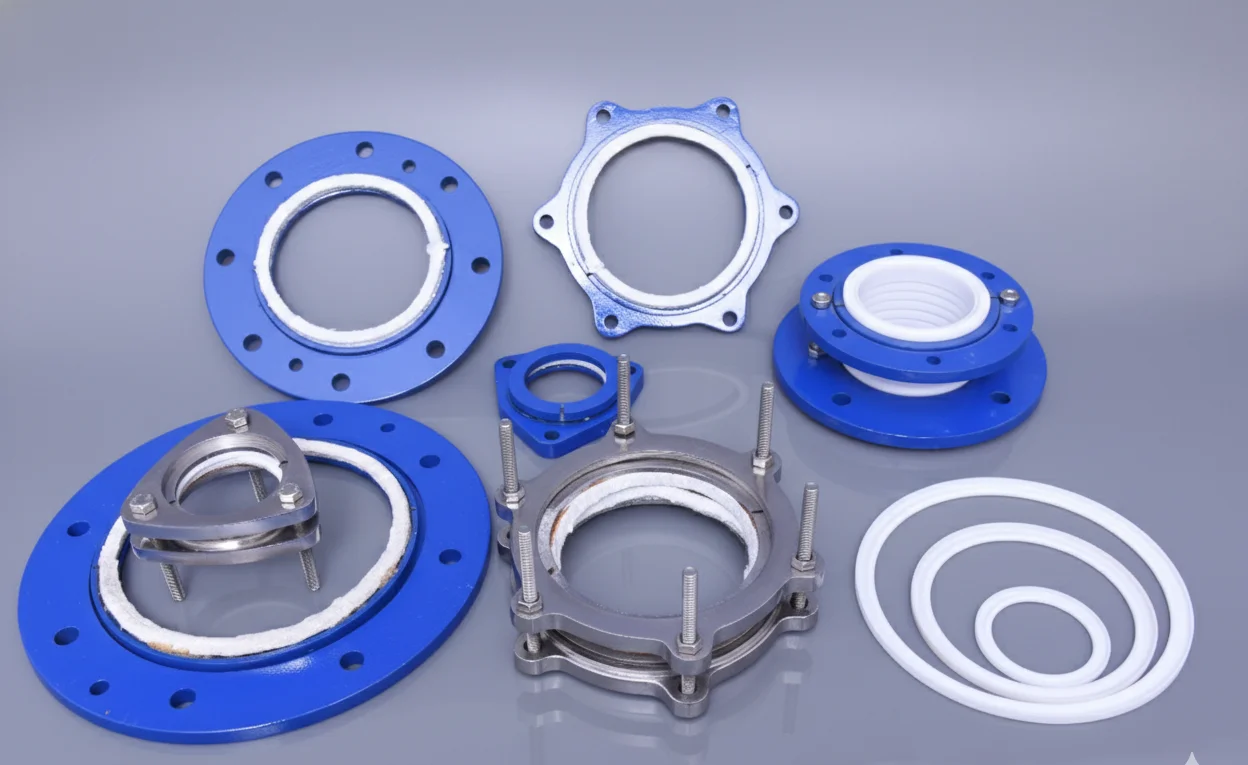
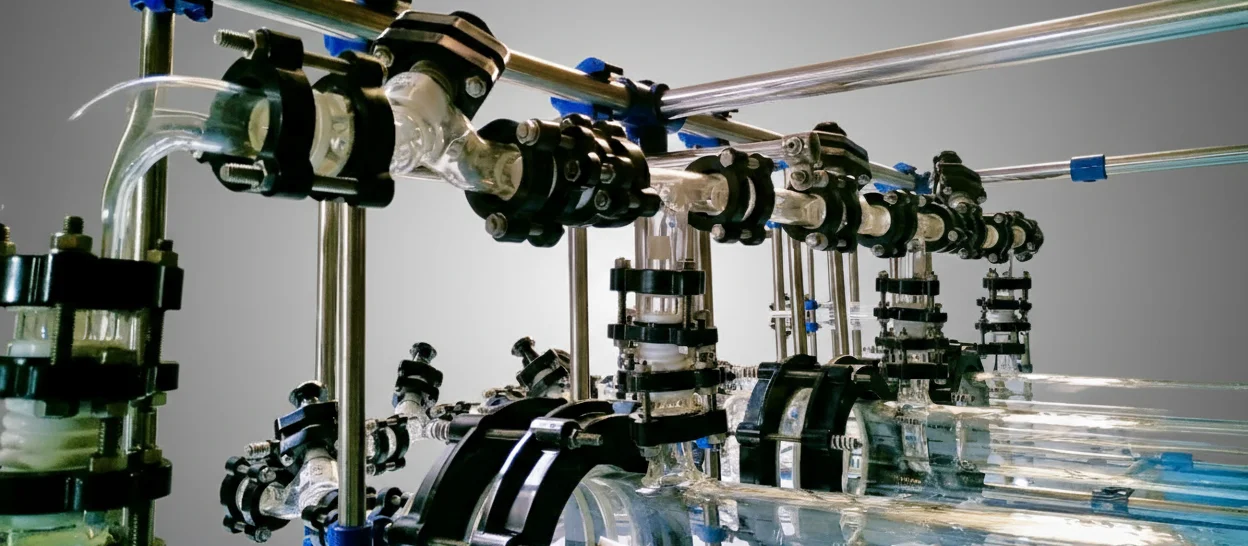
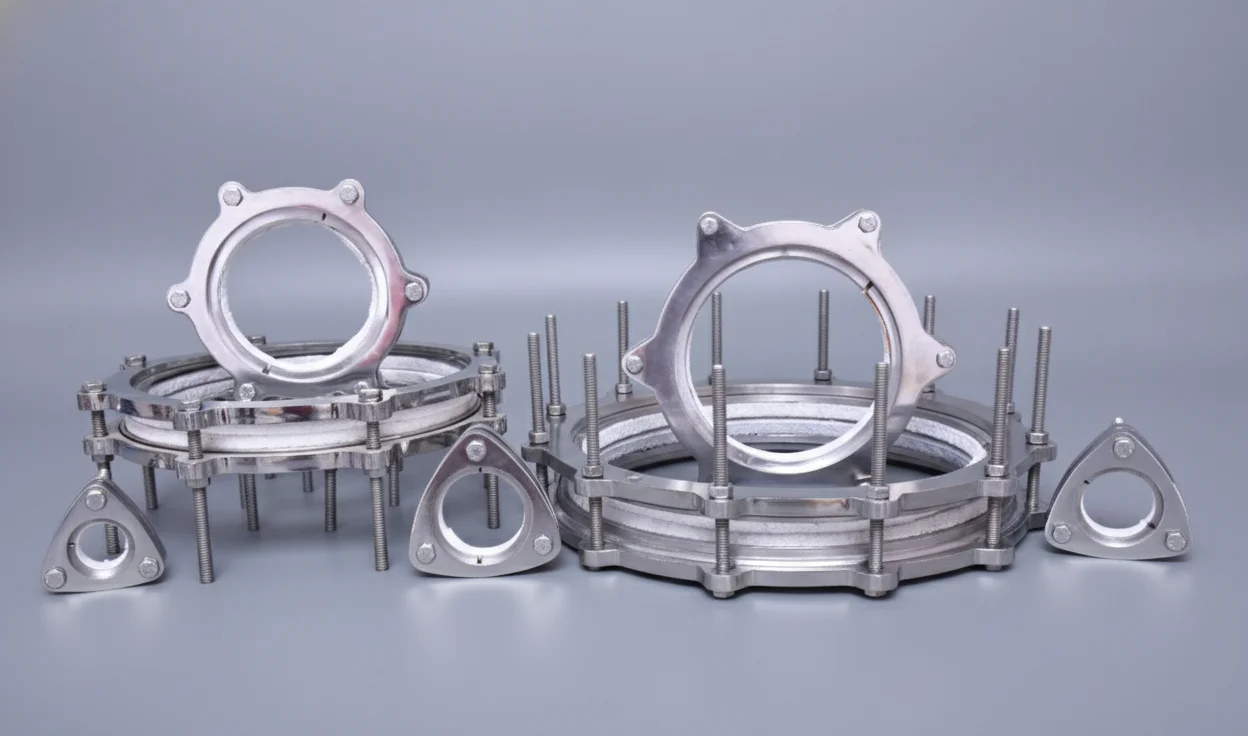
Couplings used in glass equipment are designed to join glass-glass or glass-metal assemblies in a way that maintains sealing integrity without imposing undue stress on the glass. They serve crucial roles in systems involving vacuum, pressure, and reactive chemicals. In industrial glassware systems, couplings and gaskets must balance flexibility, chemical compatibility, and mechanical stability to ensure reliable performance. PTFE bellows and connecting flanges are commonly used accessories in this domain to enable movement, mitigate vibration, and bridge dissimilar materials (glass to metal). These coupling systems are integral to pipeline components, reactors, vessels, and glass assemblies within chemical, pharmaceutical, and research equipment. They are often supplied with standard or customizable flanges and compatible inserts to adapt to various mating configurations.

Key Features

  • Borosilicate glass construction
  • Secure connections
  • Various sizes available
  • Chemical resistant

Specifications

Key technical considerations for coupling systems include:

– **Material**: PTFE (for bellows and gasket materials) and metals such as cast iron or mild steel for flanges and backing structures

– **Pressure / Vacuum Rating**: Suitable for vacuum as well as moderate positive pressures depending on sealing arrangement and flange strength

– **Flange Standards**: Flanges may conform to DIN, ASA, or custom bolt-hole patterns

– **Temperature Range**: PTFE bellows typically handle from ambient to elevated temperatures depending on assembly

– **Stress Relief**: Designs ensure minimal bending stress on glass to avoid fracture

– **Compatibility**: Chemical compatibility with process fluids and inertness of PTFE

– **Assembly Components**: Insert, gasket, backing flanges, bolts/nuts, and sometimes optional PTFE bellows

– **Customization**: Flange drilling and sizing can be tailored as per “Table E”, “Table F,” or ASA 150 patterns as required

Applications

Typical uses of glassware coupling systems include:

– Joining sections of borosilicate glass tubing, columns, or reactors

– Connecting glass modules to metal process equipment (heat exchangers, pumps)

– Enabling vacuum and pressure continuity in distillation and absorption systems

– Incorporating PTFE bellows to absorb thermal expansion or vibration

– Using in laboratory to pilot plant applications across chemical synthesis, separations, and reaction systems

– Environments with corrosive or high-purity requirements, where glass and inert sealing is essential

The flexibility and compatibility of coupling systems allow modular construction, maintenance, and reconfiguration of glass assemblies with minimal downtime.

Select the fields to be shown. Others will be hidden. Drag and drop to rearrange the order.
  • Image
  • SKU
  • Rating
  • Price
  • Stock
  • Availability
  • Add to cart
  • Description
  • Content
  • Weight
  • Dimensions
  • Additional information
Click outside to hide the comparison bar
Compare

Get In touch